𝔦𝔫𝔱𝔯𝔢𝔭𝔦𝔡 𝔯𝔞𝔳𝔢 𝔯𝔢𝔭𝔬𝔯𝔱: 𝔞𝔤𝔯𝔦𝔠𝔲𝔩𝔱𝔲𝔯𝔢 𝔞𝔱 𝔟𝔢𝔯𝔤𝔥𝔞𝔦𝔫
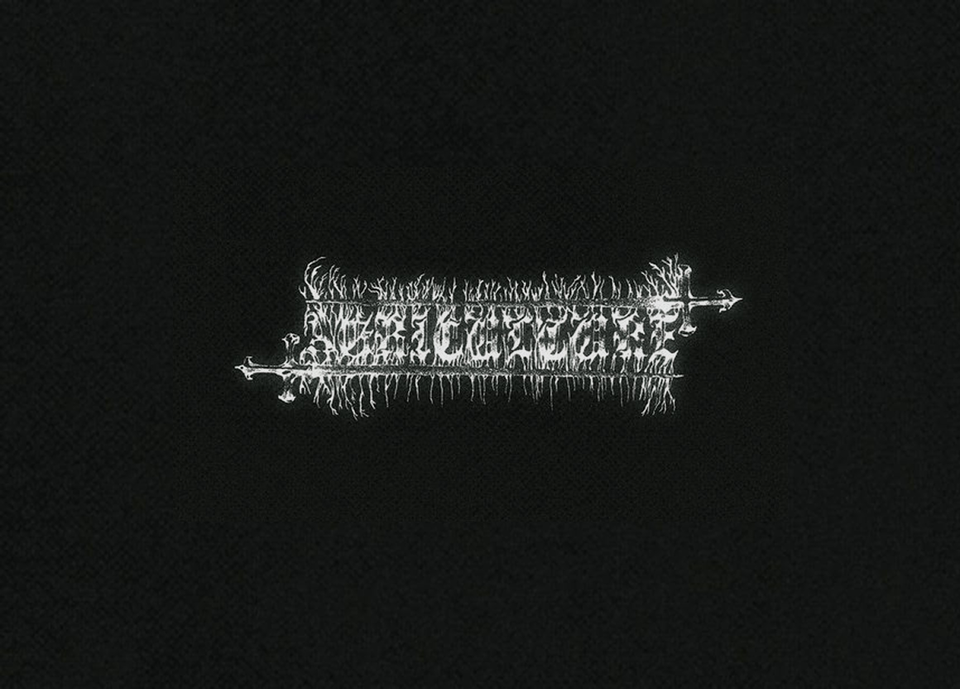
I reject all-black dress codes as a rule, but if I could do it all over again, I'd probably not have worn my glasses and leisure-print button-down to the Agriculture show at Berghain last week. This outfit prevented me from coming out of mosh retirement — I've learned the hard way that my glasses fly right out of the breast pocket on this particular shirt. And, much as I'd like to pretend otherwise, I did feel a little self-conscious. Unlike, say, the Blood Incantation gig last summer, this was a proper fuck-off metal crowd, every T-shirt in sight bearing the illegible hairball of a metal band logo, one guy with a full-body tattoo that snaked all the way around his eyes and so on. Joining the queue I felt like Newman in Jurassic Park. One metalhead in front me gestured toward the building and asked his friend if he'd ever been there. "Yeah," the guy said. "It's actually pretty fun." There was one other non-metal person in the queue, evidently there on a whim like me, asking his friend basic details about Agriculture. "What is it they call themselves again?" he asked. "Oh yeah, right. Black metal."
I was into black metal in my teens and early 20s. My handle on Counter Strike was Torment0r0fChristianS0uls, after a song by the genre’s semi-commercial entry point, Dimmu Borgir. Later on I got into Bathory, Enslaved and, my one enduring favorite, Drudkh. I liked the haunting imagery and hazy atmosphere of it all. As for the corpse paint, church-burning and unironic embrace of evil, that was (to my adolescent edgelord self) funny and kind of cool, but not something I could actually connect with. The lyrics, if you cared to look them up, were sometimes poetic but mostly just amusing, the work of grown men pretending with varying degrees of earnestness to have spiritual oneness with Satan, Odin or their viking ancestors. At its best, though, black metal had something really captivating that kept me coming back, if always with an air of remove.
Agriculture, who I just heard for the first time last week, are the first black metal I’ve gotten into with total sincerity. That’s partly because they take great liberties with this style, in some ways reimagining it completely. They describe themselves as “ecstatic black metal from Los Angeles” — essentially the perfect opposite of the more common misanthropic variety from Scandinavia. Their lyrics swap out Satanism and norse mythology for oblique poetry and Buddhist philosophy. The name Agriculture, as far as I understand it, refers to our shared fate as compost, decomposing in soil so other living things can thrive. This is said more or less outright in "Living Is Easy." A more haunting example is on the ballad "Being Eaten By A Tiger," which retells the Jataka tale of Prince Mahasattva:
In a forest, three brothers came upon a tiger with her cubs
They were dying of hunger and fatigue
The youngest brother said:
"I will stay here and lay down my body"
"I'll become something good for them to eat"
And lying there, he was devoured
He gazed gladly down upon his flesh as it was torn
So yeah, themes of self-sacrifice lifted straight from an essential Buddhist text... and also, very metal.
Onstage, Agriculture looked down to earth — bassist and singer Leah B. Levinson in a grey tank top with her hair tied up; guitarist and singer Dan Meyer with a bushy beard, black button-down and baseball cap; the mutton-chopped Kern Haug on drums; lead guitarist Richard Chowenhill bringing a reasonable degree of classic metal dude, with a well-conditioned mane of hair flowing past his shoulders — a far cry from the ghoulish larpers of black metal's old guard. They started in a mode I wasn’t expecting: dreamy post-rock, with Dan singing melodically (might have been “The Glory of the Ocean”). Then Leah came in with the first peal of demon-spew and we were off. The band started thrashing around a bit. Dan, head-banging, lost his hat and seemed not to notice.
From the first moment I was basically held agog, lost in a little private reverie on the right side of Berghain's dance floor. Without knowing any of the songs it was hard to tell where one ended and another began. We never stayed in one place for long. Somber ballads launched into thrash metal rippers. Blast-beats and tremolo strumming gave way to mid-tempo chugs. There were guttural screams, pitch-perfect melodic singing, and at one point a kind of whimpering vocal fry that reminded me of Arca. Sooner or later each of the band members had a solo moment: Dan strumming and singing (“The Well” and “Hallelujah”); Leah turning around and shrieking at the wall and the drum kit; Kern doing a kind of modern jazz drum solo; Richard shredding.
What I caught of the lyrics really hit me, like the line in “The Reply” about reflecting on “the early spring in Europe in 1914” — a scary place my own thoughts go from time to time. Even the most brutal moments have a sincerity and emotional valence that really gets under your skin. I thought back to the name of the black / death / doom metal show on my old college radio station: Void Expression. That was perfect for the stuff on that show, but exactly wrong for Agriculture. Extreme as it was, this music was all heart. I couldn't tell if I was in a weirdly sentimental mood but I actually found myself close to tears once or twice. Sure enough, I ran into a friend, dazed and soaked through with sweat, who reported that he’d both moshed and cried. (Another friend lost his shoe in the pit, but that's to be expected at this kind of thing.)
The crowd popped off in a way I’d not seen at metal or hardcore shows in Berlin before. A wide swath down the middle of the dance floor was in a heavy pogo-mosh for much of the show. You could see the band were feeling it, too. At one point Leah and Dan held each other’s gaze and started shaking their heads and kind of laughing. There’d been no banter between songs, but sometime near the end Dan bounced up to his mic and said something like, “Hey, how you doing?! Boy it feels good to be in here with you all.” Before they launched into the next track, Leah scrunched up her face, like she was debating whether or not to say something. “Fuck it," she said. "Happy pride. Free Palestine. Fuck the fascists. Trans rights worldwide. This one’s called ‘Living Is Easy.’”
When it was all over Dan said this had been one of the best shows they’d ever played. “Can we get the house lights on so I can see everyone?”
The overheads came on, revealing the room and all the people in it in clear, uncolored lighting — the first time I’d ever seen Berghain like that. The whoops and cheers went on and on. Dan beamed at the crowd and clasped his hands behind his head.
“Wow.”
Member discussion